Xylan Coating Service About
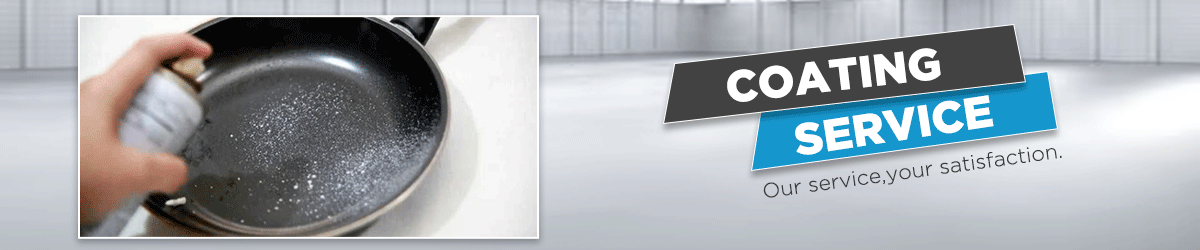
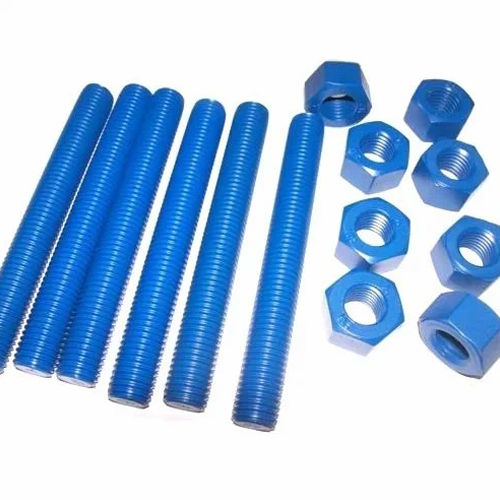
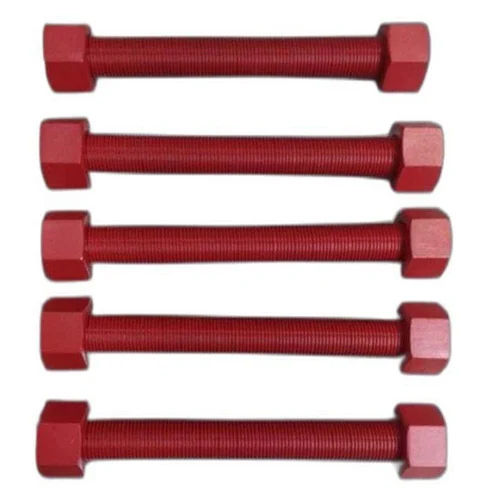
XylanCoating Service refers to the application of Xylan coatings ontovarious surfaces to provide them with specific properties andbenefits. It often applied to industrial equipment components, suchas valves, pumps, and fasteners, to improve their performance, reducefriction, and enhance corrosion resistance. This offer exceptionalnon-stick properties, making them ideal for applications wherereduced friction and easy release are essential. This helps toprovide excellent corrosion resistance, protecting components fromenvironmental factors and chemical exposure. Xylan Coating Service isused in the oil and gas industry to protect components from harshenvironments, including exposure to chemicals and saltwater.
Product Specification
| Service Location |
India |
| Payment Mode |
Online & Offline |
| Service Type |
Xylan Coating Service |
| Service Mode |
On Site |
Product Description
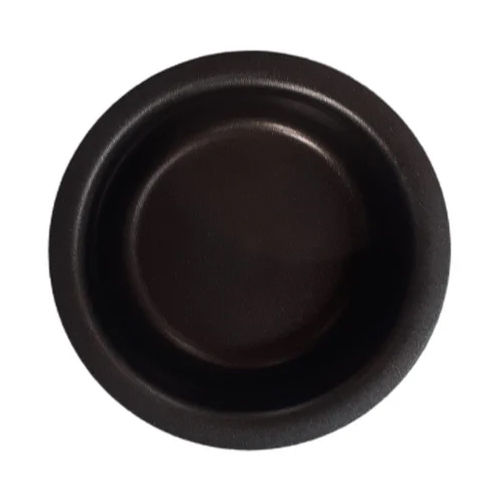
Xylan Coatings are a family of fluoropolymer coatings designed for use on various types of OEM components and fasteners to prevent corrosion and increase the life of the product. Most Xylan coatings contain PTFE or other types of lubricants and are applied in thin films
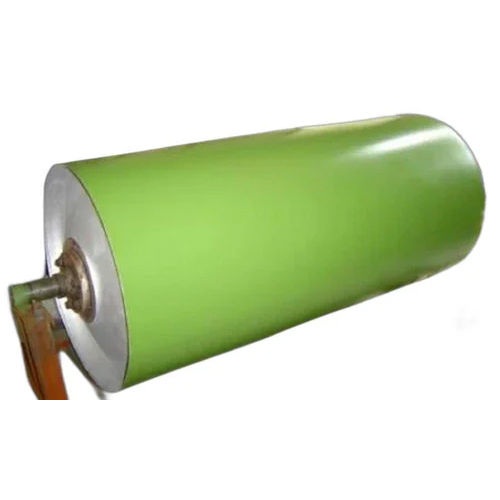
Unmatched Durability and ProtectionXylan coatings deliver outstanding resistance to corrosion, solvents, and high temperatures, ideal for protecting equipment in challenging industrial settings. Our smooth and glossy finishes not only enhance durability but also improve the appearance and lifespan of your components, making them suitable for demanding sectors like oil & gas, automotive, marine, and mining.
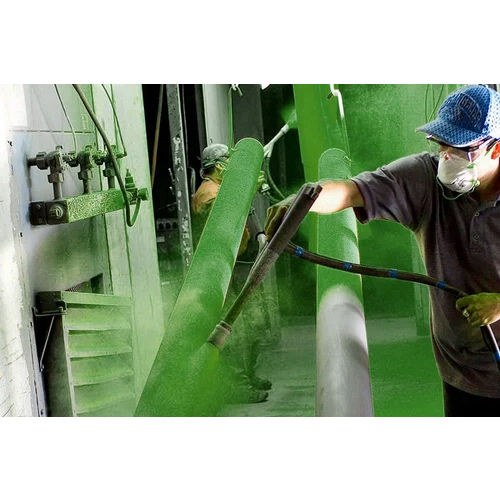
Versatile Applications Across IndustriesOur service caters to diverse industrial requirements, ranging from automotive to marine and engineering. With the ability to customize color and apply coatings using spray or dip methods, we ensure each specification fits the client's exact needs, guaranteeing optimum performance and long-lasting protection for various machinery and equipment.
FAQ's of Xylan Coating Service:
Q: How is the Xylan coating applied to industrial components?
A: The Xylan coating is professionally applied using either spray coating or dip coating methods, ensuring even coverage and a uniform, glossy finish. Our expert technicians select the most suitable method based on the component's geometry and intended application.
Q: What are the main benefits of choosing Xylan coating for my equipment?
A: Xylan coatings offer superior corrosion resistance, high solvent resistance, and a low friction coefficient. Additional benefits include excellent adhesion, high hardness, and reliable temperature resistance up to 285C, which collectively increase the lifespan and performance of industrial equipment.
Q: Where do you offer your Xylan Coating Service?
A: We provide our protective Xylan coating service all over India, catering to clients in a range of industries, including automotive, oil & gas, marine, mining, and engineering sectors.
Q: When can I expect my coated components to be ready?
A: Our typical lead time for the Xylan coating service is 2 to 5 days, depending on the complexity and quantity of items to be treated. We strive for efficiency without compromising on quality.
Q: What types of applications are best suited for Xylan coatings?
A: Xylan coating is highly effective for parts exposed to harsh environments or demanding operational requirements, such as in automotive components, oilfield equipment, marine fittings, mining machinery, and engineered systems requiring superior protective finishes.
Q: What is the typical thickness of the Xylan coating applied?
A: We generally apply Xylan coatings in the range of 25-50 microns, optimizing the balance between protection and functional performance according to industrial standards and client specifications.
Q: How does Xylan coating enhance the performance of machinery?
A: By providing excellent resistance to corrosion, solvents, and high temperatures, alongside a low friction surface, Xylan coatings reduce wear, facilitate smoother operation, and decrease maintenance frequency, leading to increased reliability and reduced operational costs.



 Send Inquiry


 Send Inquiry
 Send Inquiry
 Send SMS